 Talk To An Expert


The Role of Luck in Gambling
Luck is often perceived as the driving force behind outcomes in gambling, particularly for games that hinge on chance, such as slots, roulette, and dice games. Players frequently attribute their victories and defeats to luck, believing that fortune plays a pivotal role in determining who ultimately wins. This perspective underscores the unpredictable nature of these games, where players can explore bitcoin betting sites that offer unique opportunities for winning streaks just as easily as they can encounter significant losses. The randomness of luck adds an element of excitement and suspense to the gambling experience, making it alluring to many.
However, it is essential to recognize that while luck is a critical component, it interacts with other factors, including strategy, game selection, and player behavior. For instance, in games like poker, luck may dictate the cards that are dealt, but skilled players can use strategies to optimize their winning potential over time. In this sense, luck acts as a foundation upon which skill and strategy can be built, creating a more nuanced understanding of gambling outcomes beyond mere chance.
Moreover, cognitive biases significantly influence how players perceive luck in their gambling experiences. Many individuals tend to remember their lucky wins while overlooking the numerous losses they have experienced. This selective memory can lead to a false sense of confidence and a belief that luck is more influential than it may truly be. Ultimately, while luck is an undeniable factor, understanding its interplay with strategy and skill can offer a more balanced perspective on gambling outcomes and help players manage their expectations.
The House Edge and Game Mechanics
The concept of the house edge is vital in the gambling world, representing the statistical advantage that the casino maintains over its players. This built-in edge ensures that, over time, the house will consistently profit from the games it offers. Regardless of how lucky a player may feel during a session, the odds are structured in such a way that ultimately favors the casino. For example, in games like blackjack, players may possess a better chance of winning compared to games such as slots; however, the house edge still persists and affects long-term outcomes.
Understanding the mechanics of each game is crucial for players looking to navigate the casino landscape effectively. Every game comes with its specific rules, probabilities, and return-to-player (RTP) percentages that significantly influence outcomes. While luck may occasionally tilt the scales in a player’s favor, the long-term implications of the house edge mean that success cannot be guaranteed. Being aware of these factors allows players to make informed choices about which games to participate in and how to approach their gambling activities.
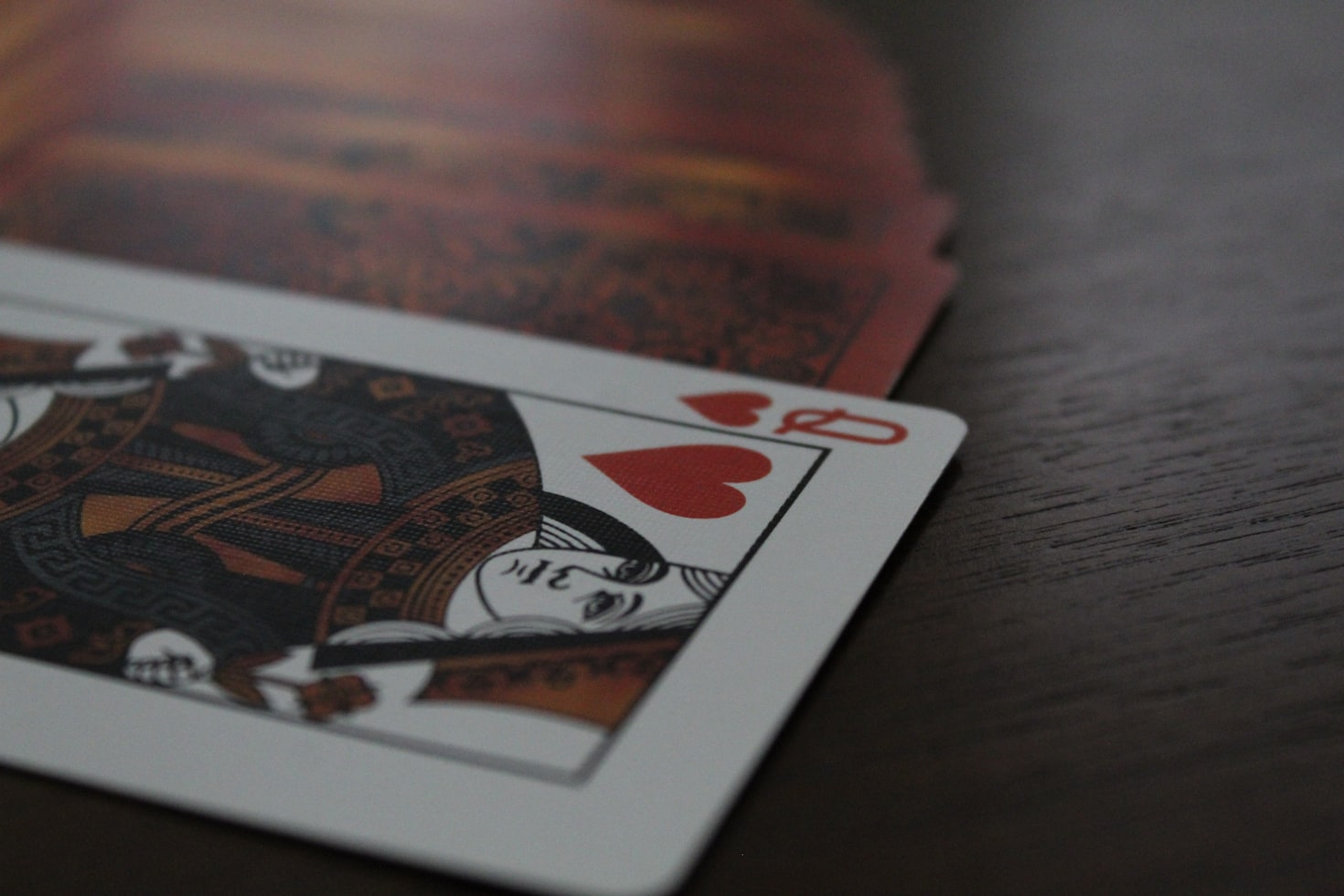
Ultimately, while moments of good fortune can provide a temporary thrill, the reality of casino gaming is predominantly shaped by mathematical principles and statistical probabilities. Players must recognize that while luck may enhance their experience in the short term, the house edge ensures that sustained success is unlikely without a solid understanding of the games in question. By arming themselves with knowledge about game mechanics and odds, players can temper their expectations and engage in a more rational approach to gambling.
Psychological Factors in Gambling
The psychological elements of gambling comprise a diverse array of emotions and mindsets that directly influence how players perceive their experiences at the casino. Many individuals are drawn into gambling by the thrill it provides, leading them to believe in the power of luck as they pursue their next big win. This belief can create a strong connection to the gambling environment, where feelings of exhilaration and excitement can often be misinterpreted as luck influencing outcomes.
Additionally, cognitive biases such as the gambler’s fallacy can distort players’ perceptions of luck. Some players may convince themselves that previous outcomes will dictate future results, leading to irrational decision-making and an erroneous belief in their ability to control luck. For example, a player who has experienced several consecutive losses might mistakenly think that a win is ‘due’ and subsequently place riskier bets. Understanding these psychological patterns is crucial for promoting responsible gaming practices and mitigating the potential for harmful behavior.
As the excitement of gambling can blur judgment, it is essential for players to approach gaming with a rational mindset. Staying cognizant of their emotional responses and maintaining a calm demeanor can help prevent compulsive behaviors associated with betting. Recognizing the impact of psychological factors on gambling can empower players to foster healthier attitudes and practices, enabling them to enjoy their experiences while lessening their dependence on luck to dictate outcomes.
Strategies for Responsible Gambling
Given the unpredictable nature of luck in casino outcomes, establishing a strategy for responsible gambling is imperative. This strategy should encompass setting limits on both the time and money spent at the casino. By defining these boundaries in advance, players can engage in gambling as a form of entertainment rather than a means of financial gain. Such strategies serve to shield players from the psychological pitfalls that may arise from an excessive belief in luck or the chase for wins.

In addition to setting limits, it is wise for players to diversify their gaming options. This means exploring a variety of games instead of adhering to a single type that they believe brings them luck. Understanding the odds associated with each game can facilitate better decision-making and reduce reliance on luck alone. For instance, opting for games with a higher RTP can enhance a player’s potential returns, allowing for a more informed and strategic gambling experience.
Finally, embracing the social aspects of gambling can improve the overall experience while minimizing stress and pressure. Engaging with friends or family during gaming sessions fosters a sense of camaraderie and provides emotional support, particularly during inevitable losses. This communal approach encourages players to maintain a balanced perspective on the role of luck in gambling and to prioritize enjoyment over the pursuit of financial wins, leading to a healthier gaming environment.
Final Thoughts on Luck and Casino Outcomes
In conclusion, while luck undoubtedly influences outcomes in casino games, it is essential to appreciate how it coexists with skill, strategy, and the inherent framework of the games themselves. Players may find themselves experiencing fleeting moments of luck, but the prevailing influence of the house edge and game mechanics emphasizes the necessity for a well-rounded approach to gambling. Understanding the complexities of luck and its limitations can significantly enrich the gaming experience and promote more responsible behavior.
Moreover, cultivating a healthy attitude toward gambling—one that balances emotional awareness with strategic planning—can lead to more responsible gaming practices. By acknowledging the psychological and social dimensions of gambling, players can fully enjoy their time at the casino without becoming excessively reliant on luck. As the landscape of gaming continues to evolve, staying informed about these elements will empower players to navigate their experiences wisely and sustainably.
As you engage with casino gaming, remember that while luck may influence temporary outcomes, the overarching principles of strategy, psychology, and responsible behavior will guide your journey. By understanding these dynamics, you can elevate your gambling experience and appreciate the exhilaration that arises from both luck and skill in equal measure, leading to a more fulfilling and enjoyable time at the casino.